Becoming a pilot is a major commitment that combines technical skill, discipline, and long-term career planning. For aspiring aviators, one of the most important early decisions is selecting a training environment that supports both learning and future opportunities. The right choice can influence not only how efficiently skills are developed, but also how well prepared a student is for advanced certifications or professional aviation roles.
With so many options available, choosing a flight training school can feel overwhelming. Factors such as instructional quality, aircraft availability, and program structure all play a role in shaping the experience. According to The Flying Engineer, Boeing projects 602,000 new pilot jobs globally through 2041, making quality training more important than ever for those entering the field. In this article, we'll break down what every aspiring pilot needs to know when selecting the right training program.
Understanding Training Programs and Certifications
Not all programs are structured the same. Some focus on recreational flying, while others are designed for students pursuing commercial aviation careers. A reputable flight training school should clearly outline which certifications it offers, such as private pilot, instrument rating, or commercial pilot training.
Understanding the progression of training helps students align their goals with the school's curriculum. Programs that offer a clear path from beginner to advanced ratings often provide a more streamlined learning experience.
Evaluating Instructor Experience and Teaching Style
Flight instructors play a critical role in shaping pilot skills and confidence. Their experience, communication style, and teaching approach can significantly affect how well students grasp complex concepts.
When researching a
flight training school, it's helpful to learn about instructor qualifications and turnover. Consistent instruction and experienced mentors often lead to better continuity and stronger learning outcomes.
Assessing Aircraft Fleet and Maintenance Standards
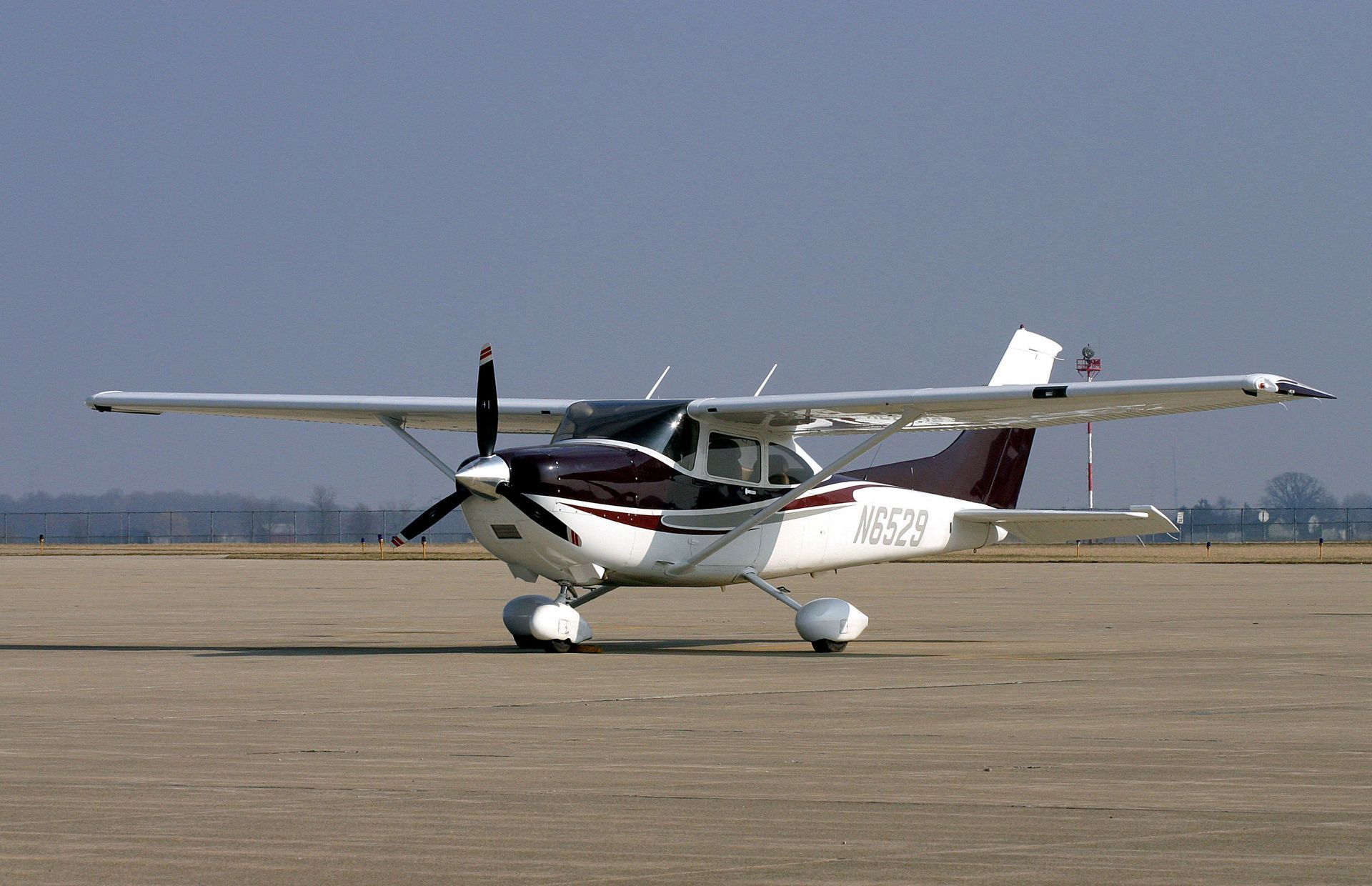
The condition and variety of training aircraft directly impact safety and scheduling. A well-maintained fleet reduces downtime and allows students to train consistently without frequent cancellations.
Modern avionics, diverse aircraft types, and regular maintenance practices reflect a school's commitment to quality. These factors also prepare students for real-world flying environments they may encounter later.
Aspiring pilots who take the time to research and compare programs are better positioned to build strong skills and confidence. If you're ready to take the first step toward a flying career, reach out to Freeflight Aviation today to discuss programs, tour facilities, and start planning your path to the skies.