October 14, 2026
The aviation industry is experiencing an unprecedented surge of interest from a new generation of ambitious students. Young adults choosing higher education and vocational paths are increasingly bypassing traditional corporate office roles to pursue dynamic, rewarding careers in flight operation, aerospace engineering, and aviation management. Unprecedented global demand for commercial air travel, coupled with a historic wave of pilot retirements across major airlines, has opened vast opportunities for aspiring aviators. As a result, flight training institutions and aviation university programs across the nation are welcoming record numbers of enthusiastic student aviators.
Beyond the lure of competitive compensation and global travel benefits, modern students are drawn to the tangible, skills-based nature of flight training. Technology in glass cockpits, advanced flight simulators, and sophisticated navigational systems has elevated modern pilot education into a cutting-edge discipline. Entering the aviation field requires dedicated effort, structured study, and extensive flight hour accumulation. Studying flight theory in ground school must be matched with practical stick-and-rudder experience in real training aircraft. Understanding why younger demographics are flocking to aviation career paths reveals how evolving industry dynamics, accessible training infrastructure, and flexible fleet access models are shaping the future of global air transport.
Expanding Global Career Opportunities and Pilot Demand
Expanding global airline fleets and shifting workforce demographics have created an unprecedented demand for certified commercial pilots. Major air carriers, regional airlines, cargo transport companies, and corporate flight departments are actively competing for well-trained flight crew members. As veteran pilots reach mandatory retirement ages, flight operations departments must continually recruit fresh talent to maintain schedule integrity and expand route networks. This sustained demand offers young aviators remarkably swift career progression from entry-level flight instruction to regional jet commands and major airline cockpits.
Understanding industry growth patterns underscores why flight training programs are seeing historic enrollment surges across the country. According to Ibis World, flying schools have seen solid growth over the past five years as a career in aviation has become more attractive. Aspiring pilots recognize that building a career in aviation offers exceptional job security, lucrative salary progression, and global mobility. Early access to structured flight training allows students to complete private, instrument, and commercial certifications early, positioning them to capitalize on current hiring trends.
Utilizing Flexible Fleet Access and Aircraft Rental Solutions
Utilizing flexible fleet access options allows student pilots to build required flight hours efficiently without the prohibitive capital expense of owning a personal plane. Earning a commercial pilot license requires logging extensive flight time under various meteorological conditions, daytime schedules, and cross-country routes. Flight training centers provide modern training fleets that allow students to schedule flying time seamlessly alongside ground school coursework and personal commitments.
Relying on reliable aircraft rental options enables student aviators to operate well-maintained airplanes equipped with modern avionics, dual GPS units, and integrated autopilot systems. Flexible rental programs eliminate maintenance overhead, hangar fees, and insurance management for student pilots, allowing them to focus entirely on flight maneuvers and navigational precision. Having ready access to a diverse fleet of light training aircraft ensures that students maintain steady progress toward advanced ratings and professional flight hour milestones.
Embracing Advanced Avionics and Technological Innovations
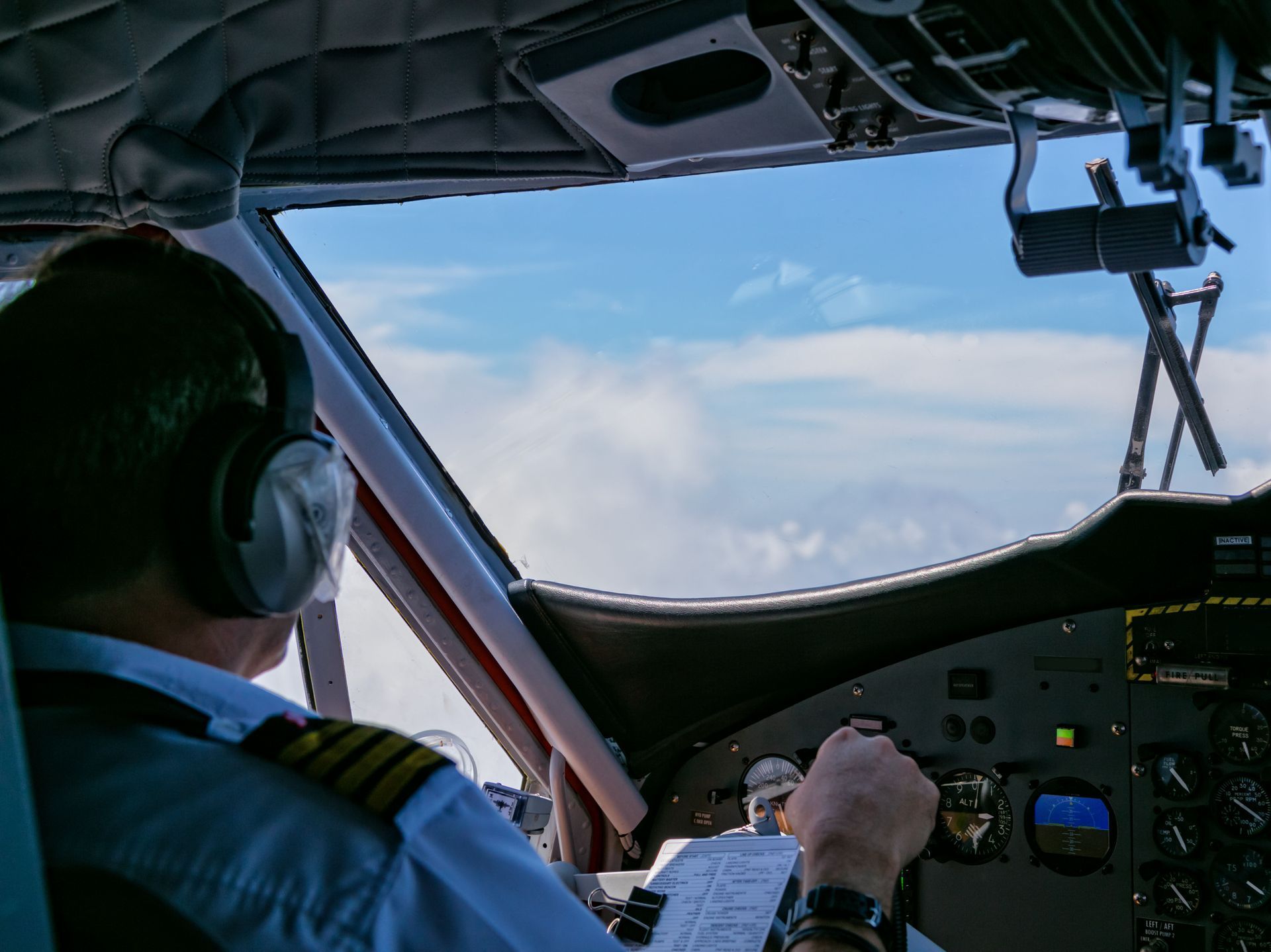
Embracing cutting-edge flight deck technology has fundamentally transformed how modern student pilots learn to navigate complex airspace systems. Contemporary training aircraft are no longer limited to basic analog gauges and traditional mechanical gyros. Instead, modern flight training fleets feature advanced digital glass cockpits, synthetic vision displays, real-time weather datalinks, and automated traffic awareness technology that mirror the advanced systems found in commercial airliners.
Integrating digital technology into basic flight education prepares students directly for professional airline operations from their very first solo flight. Learning flight management systems, automated flight control profiles, and electronic flight bag applications builds high situational awareness and workload management skills early in a pilot's training journey. Modern student pilots gain supreme confidence navigating crowded terminal areas when practicing in advanced training aircraft equipped with digital flight decks and primary flight displays.
Accessing Diverse Non-Piloting Aviation Career Pathways
Accessing diverse career specializations beyond the commercial cockpit makes the broader aviation sector highly attractive to a wide array of student talents. While piloting commercial jetliners commands immense attention, the aviation ecosystem depends heavily on skilled aircraft maintenance technicians, air traffic controllers, flight operations dispatchers, safety inspectors, and airport administrators. Students fascinated by aerodynamics, mechanics, electronics, or complex logistics find fulfilling high-tech career options within civilian and military aviation sectors.
Earning supporting aviation credentials often involves completing specialized ground training while gaining practical familiarity with aircraft systems through hands-on technical work. Many future maintenance engineers and flight dispatchers pursue basic pilot training to gain firsthand insight into aircraft handling characteristics and operational pressures. Utilizing flexible aircraft rental options allows non-piloting aviation students to experience flight environments directly, deepening their technical comprehension of mechanical systems, powerplants, and structural airworthiness parameters.
Navigating Structured Flight Hours and Rating Progression
Navigating the sequential ladder of FAA certifications demands discipline, rigorous academic focus, and consistent time management from student pilots. The flight training journey begins with earning a private pilot certificate, which establishes fundamental stick-and-rudder skills, airspace knowledge, and basic cross-country navigation techniques. From there, students advance to instrument ratings, learning to fly solely by reference to flight instruments through dense clouds and low-visibility weather environments.
Achieving a commercial pilot certificate and multi-engine rating elevates a student aviator to professional status, enabling them to fly for compensation. Many graduates subsequently complete certified flight instructor ratings, allowing them to teach incoming student pilots while accumulating the substantial total flight hours required by commercial air carriers. Utilizing structured aircraft rental services throughout this rating progression guarantees that student pilots can secure consistent aircraft availability, maintain proficiency, and build flight time systematically without scheduling bottlenecks.
Experiencing Unmatched Personal Freedom and Professional Satisfaction
Experiencing the sheer joy, freedom, and personal satisfaction of controlling an aircraft in flight remains the ultimate emotional driver for aspiring aviators. Flying offers a unique blend of intellectual challenge, technical mastery, and breathtaking aerial perspectives that few traditional desk jobs can match. Mastering precision landings, executing steep turns, and navigating across open country side instills a profound sense of personal accomplishment and self-confidence in young pilots.
Beyond personal thrill, professional aviators enjoy dynamic work environments where no two workdays look identical. Experiencing changing weather landscapes, visiting distant cities, and operating sophisticated flying machinery provides a profound sense of professional fulfillment. Utilizing dependable aircraft rental platforms allows student aviators to share the wonder of flight with friends and family during cross-country trips, reinforcing their lifelong passion for general and commercial aviation.
At Freeflight Aviation, we are deeply committed to nurturing the next generation of professional aviators, supporting student flight goals, and delivering exceptional pilot training and fleet access through master technical instruction, top-tier aircraft maintenance, and dedicated student care. Our team of certified flight instructors brings extensive industry expertise, structured ground school curricula, and meticulous safety standards to every introductory flight, private pilot course, instrument rating, and advanced commercial instruction program we execute across our community. We take immense pride in evaluating your unique aviation aspirations, designing customized flight schedules, offering transparent training guidance, and maintaining a versatile fleet of well-equipped aircraft that make earning your wings safe and efficient. We carefully inspect every aircraft, avionics suite, and flight record to guarantee complete airworthiness and total peace of mind in the air. Contact us today to schedule your introductory flight lesson and discover the true value of earning your wings with dedicated local aviation specialists.